
Winston’s Chimney Service Keeps Annandale Fireplaces Burning Cleaner With Expert Chimney Sweeping
Many Annandale homes were built during the post-war boom of the 1950s and 1960s, and plenty of them still rely on their original brick chimneys. Those chimneys have handled decades of fires, furnace exhaust, and Virginia weather, and they deserve careful attention. At Winston’s Chimney Service, we have provided professional chimney sweeping across Northern Virginia since 1978. Our CSIA-certified technicians remove creosote, soot, and debris from wood-burning, oil, gas, and propane flues. We follow a safety-first approach on every visit, and we explain what we find in plain language. Whether you own a classic rambler near Wakefield Park or a newer home off Little River Turnpike, our team works to keep your fireplace and venting system performing as reliably as possible.
How Is a Professional Chimney Sweeping Different From a Chimney Inspection?
Homeowners often use these two terms interchangeably, but they describe different parts of chimney care. A sweeping is the physical cleaning of the flue and fireplace components. An inspection is a structured evaluation of the chimney’s condition. Our team typically pairs the two because cleaning the flue gives us a much clearer view of what is happening inside.
The National Fire Protection Association outlines three levels of chimney inspection. Each level fits a different situation, and knowing which one you need helps you plan ahead.
- Level 1: A visual check of the readily accessible parts of the chimney, recommended annually when nothing about the system has changed
- Level 2: A more detailed evaluation that includes a video camera scan of the flue interior, recommended when buying or selling a home, changing fuel types, or after a chimney fire or major storm
- Level 3: An in-depth evaluation that may require removing portions of the structure, used when serious hidden damage is suspected
During a routine visit, we sweep away creosote and debris first. Clean flue walls make it far easier to spot cracked tiles, gaps in mortar joints, or water damage that buildup might otherwise hide. If we see signs that call for a closer look, we explain why and let you decide on next steps.
This combined approach saves you time and gives you a fuller picture of your system’s health in a single appointment.
Exploring Annandale, Virginia
Annandale sits in the heart of Fairfax County and takes its name from the Annandale region of Scotland. The community grew along Little River Turnpike, one of the earliest turnpikes in Virginia, which carried farm goods and travelers toward Alexandria in the early 1800s. Nearby Ravensworth, once part of a vast Fitzhugh family estate, later became one of the area’s well-known residential neighborhoods.
Today, Annandale is celebrated as a hub of Korean-American culture in Northern Virginia. Its restaurants, bakeries, and markets draw food lovers from across the region. Residents also enjoy plenty of green space, including:
- Wakefield Park, home to the Audrey Moore RECenter, sports fields, and wooded trails
- Hidden Oaks Nature Center at Annandale Community Park, a favorite for families and young nature lovers
- The Accotink Creek trail system for walking, running, and biking
- Mason District Park, with an amphitheater that hosts summer concerts
People love Annandale for its diversity, convenient Beltway access, and established neighborhoods filled with mature trees. Many of those neighborhoods feature homes with working fireplaces, and we are proud to help keep them in good condition.
Are Older, Unlined Chimneys More Prone to Hidden Decay Even When the Bricks Look Strong?
Yes, and this is one of the most common concerns we find in older Annandale homes. A chimney can look sturdy from the yard while the interior slowly breaks down. Some chimneys built before liners became standard practice have no liner at all. Others have original clay tiles that have cracked or shifted after 60 or more years of use.
Without a sound liner, heat and acidic combustion byproducts come into direct contact with brick and mortar. Over time, this can erode mortar joints from the inside out. Gaps may allow heat to reach nearby wood framing or let exhaust gases seep into the home.
Interior warning signs that exterior bricks will not reveal include:
- Crumbling mortar collecting on the smoke shelf
- Gaps or offsets between clay flue tiles
- Spalling or flaking brick inside the flue
- Heavy staining that suggests exhaust is seeping through joints
- Small debris falling into the firebox after a fire
Our sweeping process helps uncover these issues because a cleaner flue lets us see the true condition of the walls. If we find a missing or damaged liner, we can talk through relining options that help protect your home.
What Is an Orphaned Water Heater Flue, and Why Does It Matter?
Many Annandale homeowners have upgraded from older oil or gas furnaces to high-efficiency models. These newer furnaces often vent through a PVC pipe out the side of the house instead of the chimney. When that happens, the gas water heater may be left venting alone through a flue that was sized for two appliances. The industry calls this an orphaned water heater.
A water heater produces much less exhaust than a furnace. In an oversized flue, that exhaust cools too quickly and struggles to rise. Moisture condenses on the flue walls, mixes with combustion byproducts, and forms a mildly acidic liquid that can wear away clay tiles and mortar.
Problems we often find with orphaned water heater flues include:
- Weak draft that allows exhaust to spill back into the basement
- Rust and corrosion on the vent connector
- Deteriorating clay tile fragments gathered at the base of the flue
- White efflorescence staining on exterior brick
- Increased risk of carbon monoxide backing up into living areas
During a sweep, we check how each appliance vents and whether the flue size still matches the equipment using it. If the system has changed, a properly sized liner can help restore a stronger draft and protect the masonry.
How Can You Tell If Your Chimney Has Already Had a Hidden Chimney Fire?
Not every chimney fire involves roaring flames and loud noises. Many are slow-burning fires that smolder inside the flue without anyone noticing. These quieter fires can still reach very high temperatures and damage liners, mortar, and nearby framing. Homeowners often learn about them for the first time when our technicians spot the evidence.
We look for physical clues that suggest a past fire has occurred. These signs can appear in wood-burning chimneys of any age.
- Puffy, honeycomb-textured creosote that looks swollen or porous
- Cracked or collapsed clay flue tiles
- A warped metal damper or distorted smoke chamber components
- Discolored or heat-damaged chimney cap
- Flakes of burnt creosote on the roof or in the yard
- Roofing material damaged near the chimney
If we find signs of a previous chimney fire, we typically recommend a Level 2 inspection with a video scan. This helps confirm whether the liner can still contain heat and exhaust. Regular sweeping is one of the best ways to reduce the fuel that allows these fires to start in the first place.
Does Freeze-Thaw Weathering Make Chimney Care More Important in Northern Virginia?
Annandale winters often swing above and below freezing within the same week. These shifts create a freeze-thaw cycle that can be hard on masonry chimneys. Brick and mortar are porous, so they absorb rainwater and melting snow. When that water freezes, it expands and puts pressure on the surrounding material. After many cycles, small cracks grow larger and pieces of brick may begin to flake away.
Water that enters the chimney also affects the flue. Moisture mixes with creosote to create strong odors and can soften mortar joints inside the chimney. Rust may form on the damper, and water can stain ceilings and walls nearby.
Ways we help slow freeze-thaw damage include:
- Checking the chimney crown for cracks that let water pool and seep in
- Inspecting flashing where the chimney meets the roof
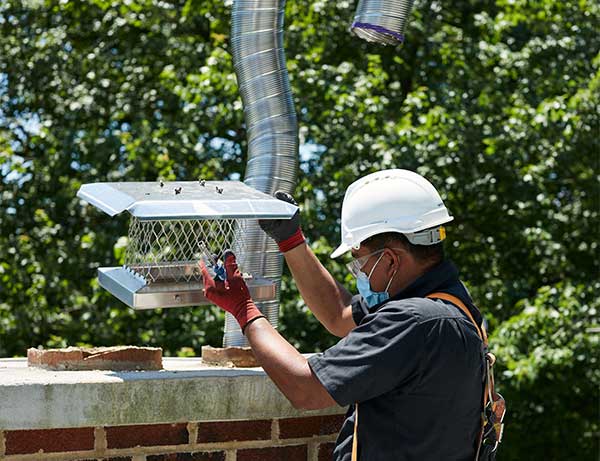
- Recommending a quality chimney cap to keep rain and snow out of the flue
- Applying breathable, vapor-permeable waterproofing to exterior masonry
- Repointing worn mortar joints before damage spreads
Breathable waterproofing is important because it keeps liquid water out while still allowing trapped moisture vapor to escape. Combined with annual sweeping and inspection, this approach can help extend the life of your chimney.
Book Chimney Sweeping in Annandale With a Team That Knows Older Homes
Annandale’s established neighborhoods are full of character, and many of their chimneys have decades of history behind them. At Winston’s Chimney Service, our CSIA-certified technicians bring more than 45 years of company experience to every chimney sweeping appointment. We clean thoroughly, protect your home with drop cloths and HEPA vacuums, and walk you through everything we find. Do not wait for smoke problems or strange odors to schedule your next chimney sweeping. Reach out to book your visit today. Our office is open Monday through Friday from 8:00 AM to 5:00 PM, and we look forward to helping your Annandale home enjoy cleaner and safer fires all season long.