
Fallen branches, a downed backyard tree, or a free pile of wood from a neighbor can look like a winter’s worth of fireplace fuel. But if that wood is pine, you’ve probably heard it’s a bad idea to burn it. So, is it safe to burn pine in your fireplace? The answer is more nuanced than the old warnings suggest, and it starts with keeping your chimney clean through regular chimney sweeping.
Here’s what homeowners in Northern Virginia, Maryland, and Washington DC should know about burning pine and other softwoods safely this winter.
Can You Burn Pine in a Fireplace?
Yes, you can burn pine in a fireplace, as long as it’s properly seasoned and you use it wisely. Pine is a softwood, which means it’s less dense than hardwoods like oak, hickory, and maple. It lights easily, burns hot and fast, and is popular in many parts of the country where softwoods are the main local supply.
The key isn’t the species as much as the moisture content. Dry pine burns far better than wet oak. The EPA’s Burn Wise program recommends burning only wood with a moisture content of 20% or less, no matter what kind of tree it came from.
Does Burning Pine Cause More Creosote?
This is the biggest myth about pine. Many people believe pine’s sap and resin cause dangerous creosote buildup. In reality, creosote forms mostly when smoke cools and condenses in the flue, and that happens most with wet wood and smoldering, low-temperature fires.
Freshly cut pine holds a lot of moisture and sap, so burning it green can absolutely create heavy smoke and buildup. Well-seasoned pine, on the other hand, burns hot, which helps keep smoke moving up and out of the chimney. Any wood can produce creosote if it’s burned wet or in a fire that’s starved for air.
What Are the Downsides of Burning Pine?
Even when it’s dry, pine has a few quirks worth knowing about:
- It burns quickly: Because it’s less dense, you’ll go through pine much faster than hardwood and need to add logs more often.
- More popping and sparks: Pockets of resin can pop and throw embers. Always use a sturdy screen or closed glass doors.
- Shorter-lasting coals: Pine doesn’t leave the long-lasting bed of coals that hardwoods do.
- Sticky sap: Unseasoned pine can leave sap on your hands, gloves, and log carrier.
What’s the Best Way to Use Pine in Your Fireplace?
Many homeowners get the best results by using pine for what it does well: getting a fire going. Small, split pieces of dry pine make excellent kindling. Once the fire is established, add seasoned hardwood for longer, steadier heat.
If pine is your main fuel, burn smaller loads more often rather than packing the firebox full. A roaring, overloaded fire can overheat the firebox and send sparks up the chimney.
How Long Does Pine Need to Season?
Pine often dries faster than dense hardwoods. In many cases, split pine stacked off the ground with good airflow can be ready in roughly six months to a year, depending on the weather and how it’s stored. The only way to know for sure is to check it. Signs of seasoned wood include cracked ends, lighter weight, loose bark, and a hollow sound when two pieces knock together. A simple moisture meter gives you the most accurate reading. We share more firewood tips in our post about wood for your fireplace.
Are Pine Needles, Cones, or Christmas Trees Safe to Burn?
No. Avoid burning pine needles, pine cones in large amounts, wreaths, or your Christmas tree in the fireplace. Dried evergreens ignite almost instantly and can create a sudden flash of flames and sparks that’s hard to control. Bag them up for yard waste pickup or your local recycling program instead.
What Should You Never Burn in a Fireplace?
Whether you choose pine, oak, or a mix, some materials don’t belong in any fireplace:
- Painted, stained, or pressure-treated lumber
- Plywood, particleboard, or pallets with unknown treatment
- Cardboard, wrapping paper, and trash
- Driftwood, which can release corrosive chemicals when burned
- Wet or freshly cut wood of any kind
These can release toxic fumes, produce excess smoke, and leave residue that damages your flue and liner.
How Often Should You Have Your Chimney Inspected If You Burn Softwood?
The national standard, NFPA 211, and the Chimney Safety Institute of America recommend an annual chimney inspection no matter what you burn, with sweeping as needed. If you burn often, use a lot of softwood, or notice heavy smoke and odors, you may need cleaning more frequently. A yearly chimney and fireplace inspection helps catch creosote buildup, cracked flue tiles, and damper problems early.
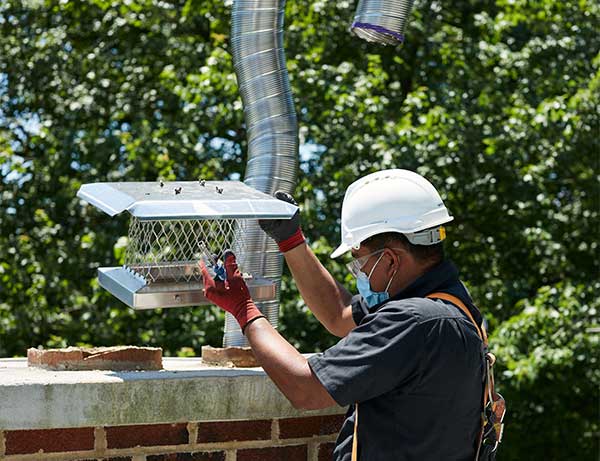
It’s also smart to make sure the top of your chimney is protected. A properly fitted cap keeps rain, debris, and animals out, while a good damper helps your fireplace perform better. Our team can help with chimney caps and dampers if yours need attention.
What If My Fireplace Smokes No Matter What Wood I Burn?
If dry wood still produces a smoky fire, the issue may be your chimney rather than your fuel. Common causes include a closed or partially closed damper, creosote or debris narrowing the flue, negative air pressure in the home, or a damaged or improperly sized liner. In some cases, chimney relining is the fix that restores a healthy draft.
Want to enjoy safer, cleaner fires all winter long? Winston’s Chimney Service helps homeowners across Northern Virginia, Arlington, Alexandria, Silver Spring, and Washington DC keep their chimneys in top shape. Schedule your chimney sweeping and inspection today.